Taj Mahal Art History
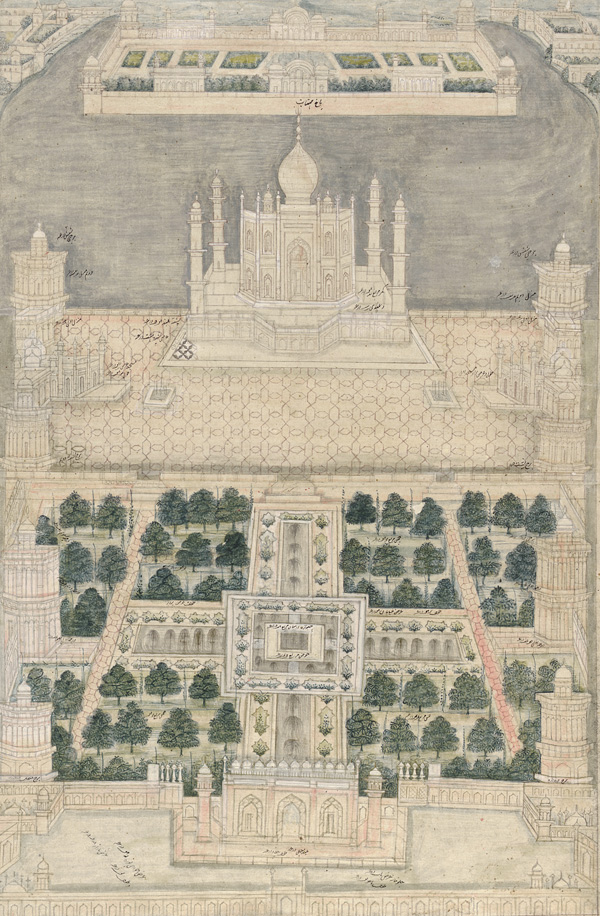
Wayne Begley, “The Myth of the Taj Mahal and a New Theory of its Symbolic Meaning,” Art Bulletin, vol 61, no 1, March 1979, pp. Vidya Dehejia, Indian Art (Phaidon, 1997). Ebba Koch, Mughal Architecture: An Outline of its History and Development (1526-1858) (Neues Publishing Company, 1991). Entry to the Taj Mahal complex via the forecourt, which in the sixteenth century housed shops, and through a monumental gate of inlaid and highly decorated red sandstone made for a first impression of grand splendor and symmetry: aligned along a long water channel through this gate is the Taj—set majestically on a raised platform on the north end.
Taj Mahal Elements Of Art

Humayun’s Tomb was built by the Islamic Mughal dynasty in Delhi from 1562-71, 85 years before the Taj Mahal. By comparing the two structures, you will see how the Mughals refined and perfected their original design to create their masterpiece: the Taj Mahal. Approach Guides’ founder David Raezer explores the how the design similarities between the first tomb built by the Mughal dynasty in India, Humayun’s Tomb, and their masterpiece, the Taj Mahal.
It is produced as part of our Insights Series in conjunction our guidebook on the subject “.” Taj Mahal Architecture: Origins in Humayun’s Tomb. Comparison: Humayun’s Tomb and the Taj Mahal Facade Comparison Similarities in the architecture of Humayun’s Tomb and the Taj Mahal Let’s begin by looking at the similarities between the architecture of Humayun’s Tomb and the Taj Mahal. Both have large, rectangular pistaq entrances the tops of which break above the rest of the facade.
10 Facts About Taj Mahal
They frame pointed-arch iwan niches. You can see this pistaq-iwan niche combination repeated on both facades. There’s a clear prototype for this arrangement in the earlier Timurid Madrasa of Ulegh Beg, which was built between 1417-1420 in Samarkand, Uzbekistan. Timurid Madrasa of Ulegh Beg. Samarkand, Uzbekistan Additionally, both Humayun’s Tomb and the Taj Mahal have large bulbous domes that rise above the tomb at the center, they feature Hindu-inspired chhatri pavilions, and they have chamfered corners that give the impression of depth. Finally, they sit on elevated platforms, symbolic of their importance.
Blog
- ✔ Streaming Anime Indonesia
- ✔ Materi Biologi Kelas 12
- ✔ Free Ost To Pst
- ✔ Pokemon Gba Rom Hacks Complete
- ✔ Download Microsoft Office Toolkit 2010
- ✔ Oye Mi Amor Translation
- ✔ Eenie Meanie Sassaleeny Lyrics
- ✔ Travis Scott Days Before Rodeo Download
- ✔ Mickey Mouse Clubhouse Full Episodes
- ✔ Pirates Caribbean Curse Black Pearl 123movies
- ✔ Mere Brother Ki Dulhan Movie 720p Download
- ✔ Impossible Mp3 Free Download
- ✔ Pelajaran Biologi
- ✔ Watch One Piece Online Free
- ✔ Uad Ultimate 6 Torrent
- ✔ Omnisphere Vst Torrent Windows
- ✔ Canon Pixma Printer Wireless Setup Without Cd
- ✔ Free Synthesia Key
- ✔ Free Synthesia Code
- ✔ Sudu Mathu Dinaka Mp3 Download
- ✔ Play Scripts Pdf
- ✔ Television Scripts Online Free
- ✔ Wanna Be My Chammak Challo
- ✔ Urdu Lyrics Hasbi Rabbi
- ✔ Ek Paheli Lila Full Movie
- ✔ Short Invocations For Meetings